Why well-being is now a workplace priority
Modern workplaces have developed from purely productivity-first environments to people-centred spaces that prioritise employee well-being.
This reflects a growing understanding that mental, physical, and emotional health directly affect performance, creativity, and retention rates.
Today’s employers recognise that creating supportive work environments isn’t just a nice-to-have benefit; it’s a strategic necessity.
Employee well-being supports business outcomes, with healthier, happier staff showing:
- Increased engagement
- Reduced absenteeism
- Improved job satisfaction
Indeed, companies that invest in well-being initiatives often see better talent attraction and retention, as employees increasingly seek workplaces that value their holistic health.
Recent UK research highlights this change in workplace priorities.
One 2024 study of UK office workers found that around 71% would be more willing to come into the office if it offered a much better day-to-day experience. Rather than rejecting offices altogether, workers are pushing back against environments that feel uncomfortable, inflexible or poorly designed for their needs.
The same research revealed a clear gap between what employers think will draw people back in and what actually matters to staff. Workers placed the greatest value on feeling supported, comfortable and able to do their best work, ahead of more cosmetic perks. For employers, this reinforces that investing in the quality of the workplace experience, including well-being, services and environment, is more effective than simply enforcing return-to-office rules.
How environmental elements provide support
Biophilic design has become an important part of wellness-focused office spaces, recognising humans’ innate connection to nature.
Exposure to natural light
Access to natural daylight plays a crucial role in:
- Regulating circadian rhythms
- Improving sleep quality
- Maintaining energy levels throughout the day
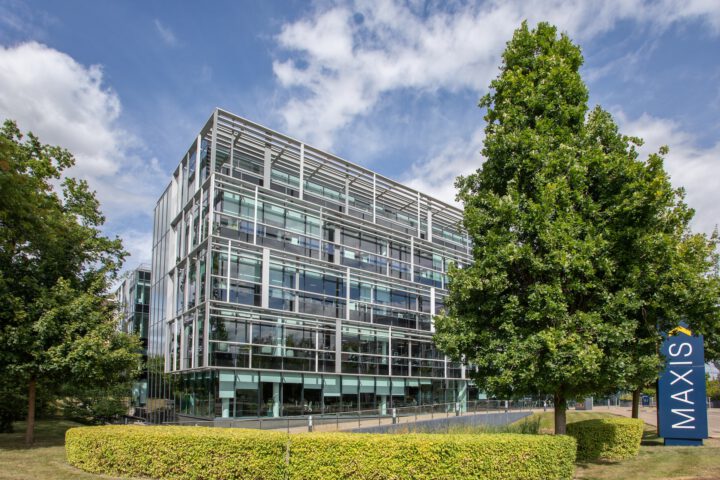
Offices maximising natural light through large windows and glass partitions create brighter, more inviting environments that support mental clarity and mood regulation.
Utilisation of natural materials
The integration of greenery and natural materials builds on these benefits.
- Indoor plants not only improve air quality but also reduce stress levels and enhance cognitive function
- Living walls, potted plants, and herb gardens create visual interest whilst providing psychological restoration
- Natural materials such as wood, stone, and organic textures help establish calming environments that counteract the sterile feel of traditional corporate spaces
Maintaining good air quality
Proper ventilation systems ensure fresh air circulation, reducing the spread of illness and maintaining comfortable temperatures. These environmental considerations work together to create spaces that feel more like natural habitats than artificial work environments, supporting both physical health and mental well-being.
Comfortable, human-centred design for well-being
Ergonomic furniture is another key aspect of physically supportive workspaces.
Adjustable desks, supportive chairs, and properly positioned monitors can make a significant impact on workers, reducing strain on necks, backs, and wrists. In the end, it is about preventing avoidable stress injuries that plague sedentary workers.
Modern offices embrace varied seating options to accommodate different work styles and physical needs.
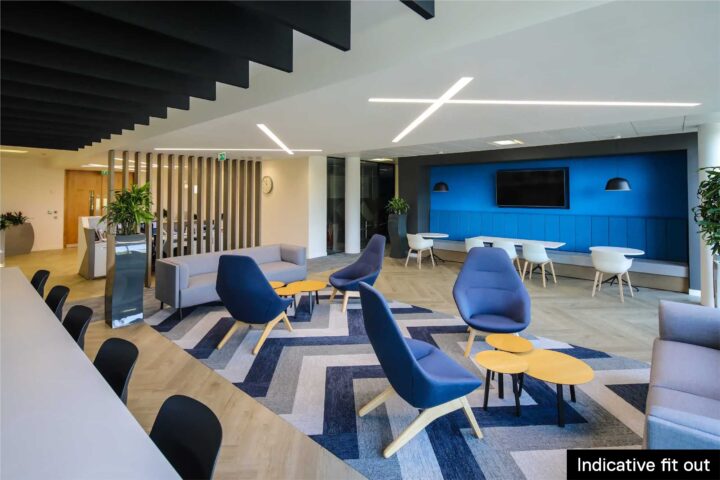
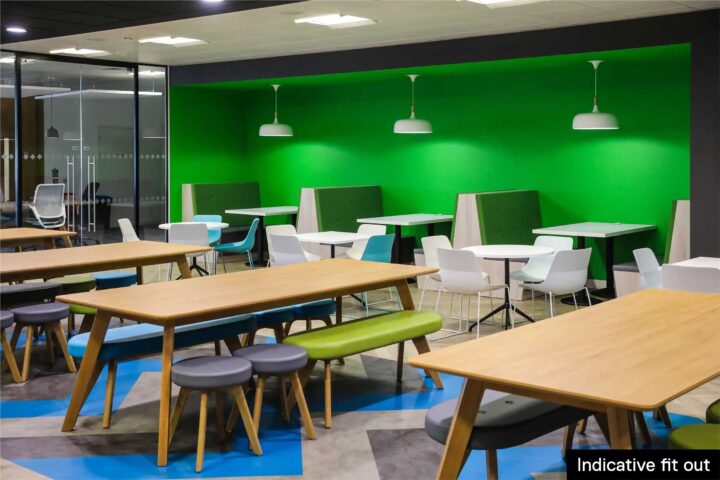
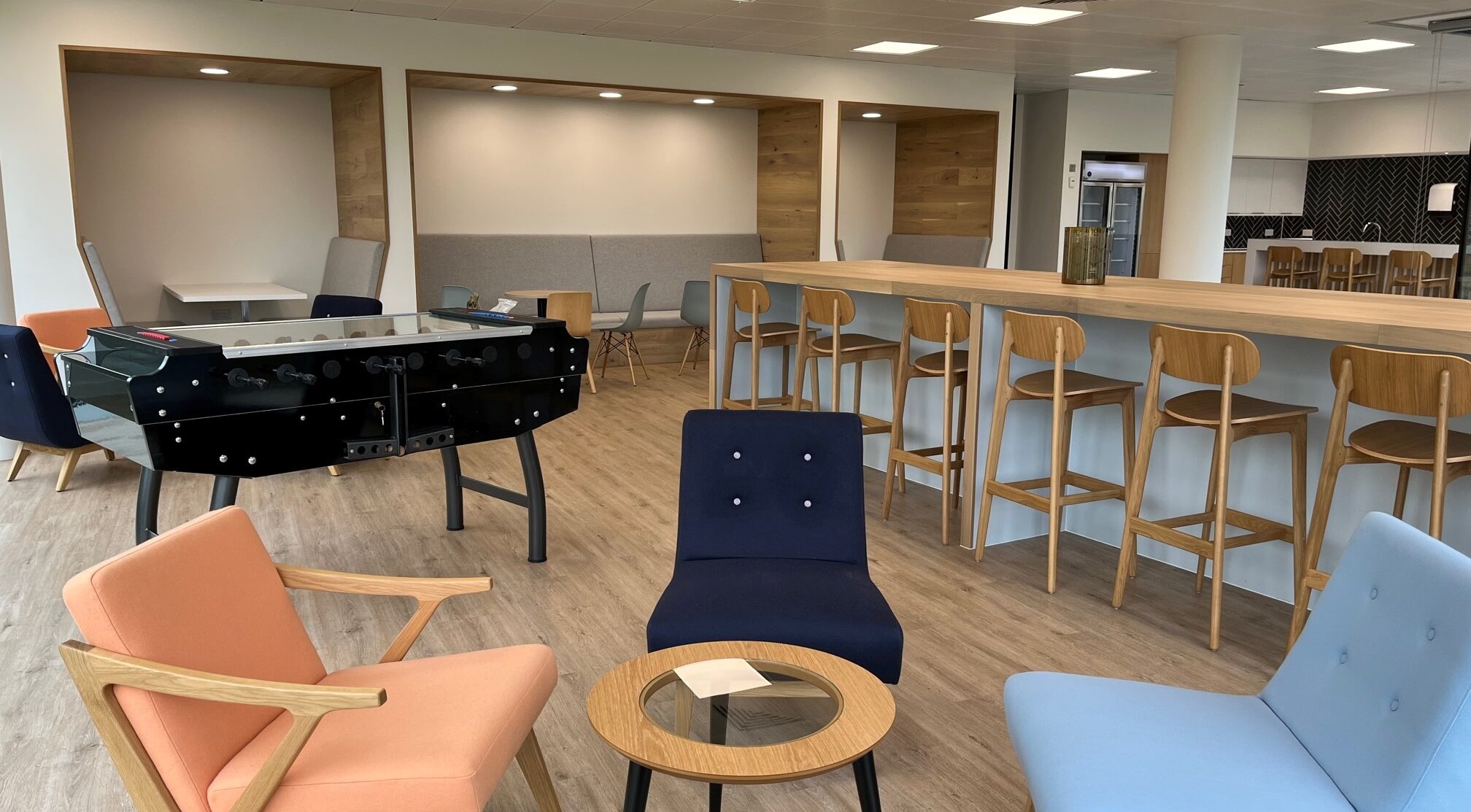
Comfortable lounge areas, standing meeting tables, and collaborative pods provide alternatives to traditional desk-bound work.
Quiet areas offer respite from open-plan environments, providing spaces for focused work or simple decompression when employees feel overwhelmed.
These design choices acknowledge that different tasks require different environments and that employees benefit from having control over their physical workspace.
Spaces that support movement and activity
Progressive employers understand that sedentary work environments contribute to various health issues.
Nearby fitness facilities, shower rooms, and secure bike storage encourage active commuting and regular exercise. These amenities remove barriers to maintaining healthy routines, making it easier for employees to integrate physical activity into their daily schedules.
Similarly, designated walking routes, outdoor meeting spaces, and accessible staircases encourage movement throughout the workday. Some companies even incorporate standing desks, treadmill workstations, and active break areas to promote regular movement.
At Maxis, our thoughtfully designed spaces include nearby fitness facilities, secure bike storage, and scenic walking routes that naturally encourage active lifestyles. Discover how our wellness-focused environment can support your team’s health and productivity.
How location can help with balancing lifestyles
According to the same UK workplace experience study referenced earlier,
“The research indicates that around 66% of workers would be happy to commit to longer-term office arrangements if the workplace experience was clearly superior.”
This finding underlines how much the overall quality of the working day, including the commute, nearby amenities and access to green space, can influence employee well-being and work-life balance.
In this regard:
- Offices situated near parks, green spaces, and recreational facilities provide opportunities for lunch-time walks, outdoor meetings, and stress relief
- Proximity to healthy food options, including restaurants and supermarkets, supports employees’ health goals without requiring lengthy commutes
- Excellent transport links reduce commuting stress and provide flexibility in travel options
- Well-connected locations enable employees to maintain social connections, attend appointments, and manage personal responsibilities more easily
This convenience reduces daily friction and stress, contributing to overall life satisfaction and work-life integration.
Ultimately, a thoughtfully located office becomes an extension of employees’ lifestyles rather than a separate, isolated environment, supporting their well-being both during and outside working hours.
Grade-A office space in the perfect working environment
Maxis is proud to be rated BREEAM ‘Excellent’, representing best practices for sustainability performance. In recent years, we have installed 46,444 sq ft of solar PV at Maxis, saving 238 tonnes of CO2 per year, the equivalent of planting 10,914 trees. To learn more about this or anything else covered in this blog, get in touch with us today.