Yes, ‘accessibility’ covers the need for wheelchair ramps and disabled parking spaces, but it’s also about so much more.
When it comes to modern and accessible office space to rent, it’s all about creating environments where every individual can perform at their best, regardless of their physical abilities, neurological differences, cultural background, or personal needs.
Here, we highlight just why this is such an important issue to get right and how to do it.
What does accessible office space mean?
Accessible office space describes environments that are purposefully designed to accommodate the full spectrum of human diversity. This means creating spaces that are physically navigable for people with mobility impairments, but as already mentioned, it also encompasses a great deal more.
True accessibility considers:
- Sensory processing differences
- Cognitive variations
- Cultural practices
- Mental health requirements
These spaces prioritise comfort and functionality for all users.
They feature adjustable elements, multiple options for how tasks can be completed, and design choices that reduce barriers rather than create them.
The ultimate goal is to ensure that every person who enters the space can work effectively without having to overcome unnecessary obstacles or adapt to unsuitable conditions.
Accessible design supports equity by levelling the playing field. When offices accommodate different needs from the outset, they prevent the exclusion that occurs when spaces are designed with only one type of user in mind.
This approach stimulates genuine belonging, where people don’t have to hide aspects of themselves or struggle silently with inappropriate environments.
The result is higher productivity across teams, as individuals can focus on their work rather than managing discomfort or barriers.
How to support neurodiverse and sensory needs
Neurodiverse individuals often have specific sensory and environmental requirements that can impact their comfort and performance. Recognising and accommodating these needs creates better working conditions for everyone, not just those with diagnosed differences.
Quiet zones
These are essential features in accessible offices. These spaces offer retreat areas for individuals who need to escape noise and work in silence.
They serve people with autism, ADHD, anxiety disorders, and anyone who concentrates better without auditory distractions.
Lighting flexibility
This proves crucial for many workers. That’s because harsh fluorescent lighting can trigger migraines, exacerbate autism symptoms, or cause eye strain.
Accessible offices incorporate adjustable lighting options, including:
- Desk lamps
- Dimmer switches
- Spaces with natural light
This allows individuals to customise their environment to their specific needs.
Varied seating arrangements
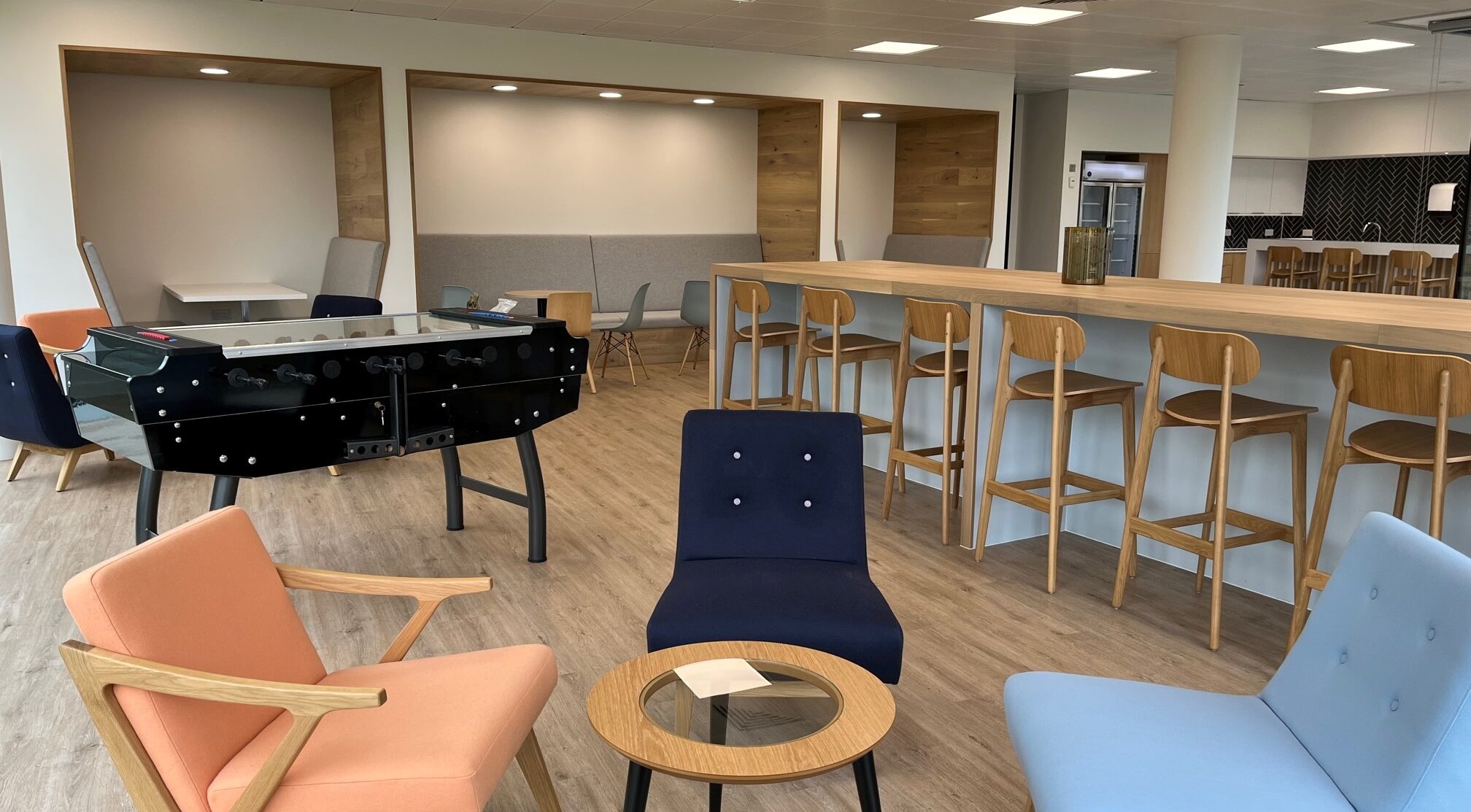
This is needed to accommodate different working styles and physical requirements. Some people focus better standing, others need proper back support, and some benefit from movement while thinking.
Providing options such as standing desks, ergonomic chairs, balance balls, and comfortable lounge areas ensures that everyone can find their optimal working position.
Reducing distractions
This involves some thoughtful space planning. This includes:
- Using sound-absorbing materials
- Creating visual barriers between work areas
- Establishing clear zones for different activities
Open-plan offices can be overwhelming for many people, so accessible design incorporates privacy options and spaces for focused work.
Increasing choice
A fundamental principle in accessible office design. When people can select where and how they work based on their current needs, task requirements, and personal preferences, they perform better and experience less stress.
This might mean offering both collaborative areas and individual workspaces, providing different types of meeting rooms, or ensuring access to outdoor spaces.
Inclusive spaces attract and retain talent
Today’s workforce values employers who demonstrate genuine commitment to diversity and inclusion through action, not just policies.
Accessible office spaces serve as tangible evidence of an organisation’s values, showing potential and current employees that their well-being matters.
Meeting different needs
People want to work for companies that see them as whole individuals rather than expecting them to conform to rigid standards.
When offices accommodate different needs, they signal that the organisation values diverse perspectives and recognises that people do their best work in different ways. This attracts candidates who might otherwise look elsewhere for more inclusive environments.
Feeling supported
Additionally, retention improves dramatically when employees feel supported and valued.
People who don’t have to spend energy managing unsuitable environments or hiding aspects of themselves can invest that energy in their work. They’re more likely to stay with employers who demonstrate understanding of their needs and make efforts to accommodate them.
Accessible workspaces
This is another way to strengthen team dynamics. When everyone can participate fully and comfortably, collaboration improves, and diverse perspectives contribute more effectively to problem-solving and innovation. This creates positive workplace cultures where people look forward to coming to work and feel motivated to contribute their best efforts.
Companies that invest in accessible office spaces often find they attract talent from a broader pool of candidates, leading to more diverse and capable teams.
This diversity of thought and experience provides competitive advantages in understanding varied customer needs and developing innovative solutions.
Grade-A office space in the perfect working environment
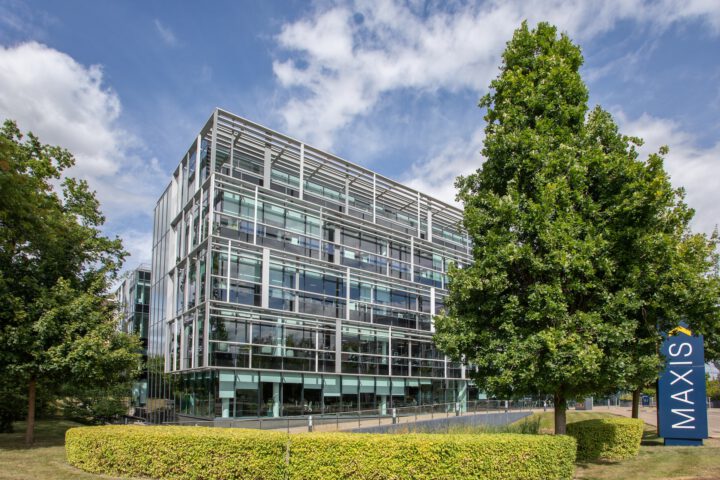
Maxis is proud to be rated BREEAM ‘Excellent’, representing best practice for sustainability performance. We have successfully installed 46,444 sq ft of solar PV at Maxis, saving 238 tonnes of CO2 per year, the equivalent of planting 10,914 trees. To learn more, get in touch with us today.